Arthur's Remodeling

Author name: ryan

Painitng services

Choosing the Right Color Palette for Your Home

Picking the perfect color palette for your home can be such an exciting yet slightly nerve-wracking part of the design journey. The colors you choose don’t just set the vibe for each room but also tell a story about who you are and even play tricks on how big, small, cozy, or open your space feels. Whether you are settling into a new place or giving your current one a fresh look, learning how to choose colors that work harmoniously can truly elevate your home and make it feel uniquely yours. 1. Why Choosing the Right Color Palette Matters Colors do so much more than just decorate your home and set the mood; they create an emotional connection. Warm tones like beige, terracotta, or mustard can make your space feel cozy and welcoming, while cooler shades like blue, green, and gray bring a sense of calm and balance. When you choose your color palette thoughtfully, you can: It is amazing how much the right colors can transform your space! 2. Start with Inspiration Before you start painting, take some time to find inspiration. Look through interior design websites, Pinterest, or even pay attention to the colors in your favorite cafes or hotels. Notice how designers use different shades, contrasts, and balance to make everything feel connected and harmonious. You can also start with something you already love, like a rug, a piece of art, or your sofa. Use it as your starting point and pull colors from it. This one item can help you naturally build a color palette that feels cohesive and personal. 3. Understand Color Basics: The 60-30-10 Rule Interior designers often rely on the 60-30-10 rule, here is a simple and effective guideline: This formula ensures your color scheme stays balanced rather than chaotic. For example: 4. Consider Lighting Before Finalizing Colors Lighting has a big effect on how colors look in a room. Bright south-facing rooms work well with cool colors like mint or gray, while north-facing rooms feel warmer with shades like cream or peach. Test paint samples at different times of the day, like morning, afternoon, and evening, to see how the color looks in your space. 5. Match Colors with Mood and Function Each room serves a different purpose, so tailor your color palette accordingly: 6. Create Flow Between Rooms One of the secrets to professional-looking interiors is color continuity. Choose a base color that runs through all rooms (like a shared neutral wall or trim color) and then build variations around it. This method makes transitions feel seamless and elevates your home’s overall design harmony. 7. Do Not Ignore Finishes and Textures Paint sheen can subtly change the visual appeal of your home. Combine different finishes to add depth without changing colors. 8. Common Mistakes to Avoid 9. Professional Help Can Simplify the Process If you’re unsure where to begin, consulting professional painters or remodeling experts can help you visualize the best palette for your home. They can recommend color combinations that complement your architecture, lighting, and design goals. Wrapping Up Choosing the right color palette for your home takes time and creativity, but the result is a cohesive, beautiful space that truly feels like yours. At Arthur’s Remodeling, we understand that colors bring your vision to life. Our painting services are designed to help homeowners choose, apply, and perfect their preferred palettes with precision and care. Whether you’re updating one room or your entire home, we’ll help you achieve the perfect finish that complements your lifestyle. Frequently Asked Question Q1: How do I choose the right color palette for my home? Start by identifying the mood you want each room to create. Then, use a base neutral tone that ties your rooms together and add accent colors that reflect your personality. Always test paint samples on your walls to see how they look under different lighting conditions. Q2: What colors make a small room look bigger? Light shades such as soft white, pale gray, and pastel tones make rooms appear larger and airier. Using one consistent color for walls and ceilings can also visually expand your space. Q3:. What is the best color scheme for an open floor plan? Use a single dominant neutral color throughout and accent it with subtle shades in each zone. This maintains flow while still defining areas. Light gray, beige, or warm white with muted blues or greens works beautifully in open layouts. Q4: How do lighting and natural light affect paint colors? Natural light changes throughout the day so a color may look warm in the morning but cooler in the evening. Always view your chosen color in different lighting before finalizing. Artificial light (warm vs. cool bulbs) also affects how your paint appears. Q5: Should all rooms in my house have the same color palette? Not exactly, but keeping a consistent undertone helps your home look cohesive. You can vary the intensity of colors or choose complementary shades to create a smooth visual transition from one room to another. Q6: Which paint finish is best for different rooms? Q7: Can professional painters help me choose a color palette? Absolutely. Professional painters and remodelers can assess your home’s layout, lighting, and furniture to recommend colors that complement each other. At Arthur’s Remodeling, our painting services help homeowners choose the right tones, finishes, and textures to bring their vision to life effortlessly. Q8: What are the trending color palettes for modern homes? Current trends lean toward soft earthy tones like warm taupe, sage green, terracotta, and muted blues. These shades create a calm, timeless feel while blending well with natural wood textures and minimalistic décor.
Plumbing

10 Myths and Truths About Plumbing Every Homeowner Should Know

Ever heard a friend say you can pour boiling water down the sink to clear clogs? Or that a leaky faucet isn’t a big deal? Well, not everything you hear about plumbing is true. In fact, there are so many home plumbing myths that even careful homeowners end up believing them. Think of this blog as a little truth-telling session between you and your pipes. We’ll look at the most common stories people tell about plumbing, separate fact from fiction, and help you avoid costly mistakes. By the end, you’ll know which “tips” actually work and which ones are myths that can harm your home. Myth #1: A Leaky Faucet Is Harmless That little drip-drip sound might seem harmless, but it’s more than just a small annoyance. Even a tiny leak can waste gallons of water each day and quietly drive up your utility bills. What’s worse is that steady drip often signals a deeper issue like worn-out washers, high water pressure, or a damaged valve that needs attention. Leaving it alone might not seem like a big deal now, but over time, it can stain your sink, rust metal parts, and lead to bigger leaks that demand costly repairs. The smarter move? Get it checked early. Routine plumbing maintenance not only saves water but also keeps small problems from turning into major headaches later on. Myth #2: Running Hot Water Helps Grease Flow Down the Drain You’ve probably heard someone say that pouring hot water down the sink melts grease and clears the pipe. It sounds logical, doesn’t it? But here’s where this belief joins the list of common plumbing myths. When you pour hot water down a greasy drain, it only softens the fat for a moment. As the water cools, the grease hardens again farther down your pipes, creating tough blockages that attract food bits and soap residue.  Over time, this buildup narrows your drain and slows the flow. The smarter way to handle grease is to let it solidify, toss it in the trash, and rinse your sink with mild dish soap. That’s how you keep your drains healthy and free from clogging. Myth #3: Flushable Wipes Are Safe for Toilets Those packets labeled “flushable” look harmless enough, right? But this is one of the biggest plumbing myths that keeps plumbers busy. While these wipes do go down the toilet, they don’t actually break apart like toilet paper. Instead, they stay almost whole as they travel through your pipes, snagging on bends, joints, and other debris.  Over time, they clump together, forming what plumbers call “fatbergs”, which are huge, sticky blockages that can even damage your city’s sewer system. It’s much safer to throw wipes, cotton pads, or paper towels in the trash can. Only toilet paper and human waste belong in the bowl if you want your plumbing system to stay happy. Myth #4: Chemical Drain Cleaners Fix Clogs Instantly When your sink drains slowly, grabbing a bottle of cleaner might feel like the easiest fix. But here’s where a big plumbing misconception comes in. Those strong chemical cleaners may seem powerful, but they don’t just eat away at the clog — they also eat away at your pipes. The heat and acid from these products can corrode metal and even melt some plastic pipes over time. If you want to clear a clog safely, try a plumber’s snake, a wet-dry vacuum, or call a professional plumber who can inspect your drains with a camera. That way, you fix the real problem without damaging your home’s plumbing system. Myth #5: Lemon Peels Clean Garbage Disposals Another thing that you’ve probably heard is that tossing lemon peels into your garbage disposal makes it fresh and clean. It smells nice, sure, but that’s where the magic ends. This is one of those myths about plumbing that sounds harmless but can cause hidden problems. Here’s why: lemon peels don’t actually clean the blades or remove buildup inside the disposal. Instead, the oils from citrus can make rubber parts brittle over time. The scent might mask odors for a while, but the grime and bacteria causing those smells remain.  For a better clean, try ice cubes with a bit of vinegar or baking soda and warm water. It’s gentler, safer, and actually gets rid of debris inside the unit. Myth #6: DIY Fixes Save Time and Money It’s tempting to grab a wrench and try fixing that leaky faucet or clogged pipe yourself. After all, how hard can it be, right? This is a classic plumbing fact or myth situation, and unfortunately, it leans toward myth. Sure, small fixes like tightening a loose handle might be possible, but deeper plumbing issues often hide behind the surface. Without the right plumbing tools or knowledge, you might solve one problem and accidentally create another. For example, using too much plumber’s tape or over-tightening a joint can crack fittings or damage threads, leading to leaks that cost far more to repair. Professional plumbers don’t just fix what’s visible. They check for underlying causes like water pressure imbalances, corroded pipes, or outdated connections. So while DIY might seem faster or cheaper, it can often end up doing more harm than good in the long run. Myth #7: Bleach Tablets Keep Toilets Fresh Dropping a bleach tablet into your toilet tank might seem like an easy cleaning shortcut, but here’s the truth — it’s one of those common plumbing myths debunked by every experienced plumber. Bleach is strong and can corrode rubber seals, flappers, and gaskets inside the tank. As time passes by, this leads to leaks and running toilets that waste water and drive up your bill. Instead, what you can do is use gentle toilet cleaners or a vinegar-based solution to keep your toilet clean without damaging the internal parts. It might take a few extra minutes, but it’ll save you from expensive repairs later. Myth #8: Low-Flow Fixtures Reduce Water Pressure A lot of people still believe that low-flow toilets

Flooring

10 Reasons Bamboo Flooring Remains 2026’s Top Sustainable Choice

Choosing the right flooring often becomes one of the biggest decisions in any home renovation or interior design project. People want something that feels warm underfoot, looks timeless, and leaves a lighter footprint on the planet. In 2026, bamboo flooring continues to rise above trends because it brings together beauty, strength, and sustainability in a single material that keeps evolving with design technology. For homeowners and designers who care about durability and eco-impact, bamboo is an option as well as the benchmark for modern sustainable living. 1. Fast Growth and True Renew-ability Bamboo renews itself faster than nearly any other natural material used for flooring. A stalk reaches maturity in three to five years, compared to decades for traditional hardwood trees. Harvesting doesn’t require replanting because the root system keeps regenerating new shoots. That cycle reduces deforestation pressure while maintaining soil health and local biodiversity. The result is a resource that replenishes almost as quickly as it’s used — a major reason why architects and designers continue choosing bamboo for sustainable projects worldwide. 2. Carbon-Smart and Climate-Positive Every strand of bamboo absorbs large amounts of carbon dioxide during its rapid growth phase. This natural carbon-capturing ability makes it a climate-friendly choice even before it becomes flooring. When manufacturers process bamboo with modern low-emission technology, the total carbon footprint remains far lower than most hardwood alternatives. Installing bamboo floors means adding a design element that quietly supports cleaner air and healthier global ecosystems. 3. Strength That Surprises First-Time Buyers People often assume bamboo feels delicate, yet its engineered forms tell another story. Strand-woven bamboo, created by compressing fibers under heat and pressure, achieves a hardness that surpasses many hardwoods, including oak and maple. Families with children and pets appreciate how it resists dents, scratches, and daily wear. This resilience makes it perfect for high-traffic areas such as living rooms, kitchens, and hallways where long-term performance matters most. 4. Timeless Beauty Across Interior Styles Design flexibility keeps bamboo relevant in 2026 homes. Light honey tones brighten compact spaces, while deeper espresso finishes add sophistication to open-plan layouts. The natural grain pattern brings quiet rhythm without overwhelming décor. Whether a project leans minimalist, rustic, or modern luxury, bamboo fits effortlessly. Designers often use it to balance high-end aesthetics with the grounded feel of natural materials. 5. Reliable Performance in Changing Climates Engineered bamboo construction gives it impressive stability against humidity and temperature swings. Proper installation with moisture barriers and expansion spacing keeps planks steady in regions where seasonal shifts challenge solid wood floors. Homeowners in coastal or tropical areas find bamboo particularly reliable, as it tolerates moisture better than many hardwoods. That versatility makes it an ideal continuous flooring choice from living area to kitchen and beyond. 6. Healthier Indoor Air and Eco-Safe Finishes Indoor air quality matters more than ever. Low-VOC adhesives and water-based finishes now dominate top bamboo brands, eliminating harsh chemical smells and reducing allergens. For families sensitive to pollutants or those designing wellness-focused interiors, this feature makes a noticeable difference. The natural antibacterial properties of bamboo further enhance cleanliness, supporting a healthier home environment without extra effort. 7. Simpler Installation and Renovation Flexibility Modern click-lock systems have transformed how bamboo flooring is installed. Planks fit together smoothly, saving both time and labor. Professionals can complete large rooms in hours rather than days, and DIY enthusiasts can handle smaller projects with confidence. That efficiency doesn’t just reduce disruption during remodels — it also lowers installation costs, which adds to bamboo’s value appeal. 8. Luxury Look Without the Heavy Price Tag Bamboo delivers high-end appearance at mid-range cost. Compared to traditional hardwood or stone floors, it offers significant savings while keeping visual quality on par. The smooth finish, natural luster, and refined color palette create a luxurious atmosphere that doesn’t strain the renovation budget. Designers often pair bamboo floors with statement rugs or textured walls to highlight its subtle elegance. The material’s affordability leaves room to invest in lighting, furniture, or eco-friendly paints, completing the sustainable vision. 9. Longevity That Rewards Proper Care Durability becomes meaningful only when paired with easy maintenance. Bamboo requires minimal upkeep to stay beautiful for decades. Routine sweeping, a gentle cleaner, and immediate attention to spills keep surfaces spotless. Some high-quality versions allow refinishing, which restores shine after years of use. Unlike vinyl or laminate options, bamboo ages gracefully instead of wearing out. Every season adds character to the surface, reinforcing its natural charm and long-term value. 10. Sustainability That Adds Real Estate Value Buyers in 2026 look for features that reflect environmental awareness. Homes showcasing sustainable elements such as bamboo flooring often command higher interest and stronger offers. Clean indoor air ratings, renewable sourcing, and durability communicate responsibility — qualities modern buyers equate with quality construction. Choosing bamboo flooring not only benefits the environment but can also improve resale potential, giving homeowners a measurable financial return. Behind the Trend: Why Bamboo Dominates 2026 Interiors Design forecasts show a continued rise in organic, calming aesthetics. Natural textures are replacing synthetic glosses, and people want materials that connect them to nature. Bamboo aligns perfectly with this shift. Its grain tells a story of growth and regeneration. Each plank carries subtle color variation that feels alive, unlike the uniform repetition of man-made floors. For interior designers, bamboo offers warmth that pairs effortlessly with sustainable materials like recycled stone, hemp fabrics, and clay wall finishes. In homes and commercial spaces alike, bamboo supports the move toward biophilic design — spaces that heal, relax, and inspire. How to Choose the Right Bamboo Flooring Selecting bamboo requires more than liking a color sample. Consider these factors before purchasing: Taking time to check these details ensures performance and peace of mind long after installation. Practical Care That Extends Life Preserving the beauty of bamboo doesn’t require complex routines. Simple consistency works best: Following these steps helps maintain the sheen and structural integrity for years, turning bamboo floors into lasting design assets. Looking Ahead: The Future of Sustainable Flooring Market research predicts

Remodeling

7 Remodeling Mistakes That Blow Your Budget

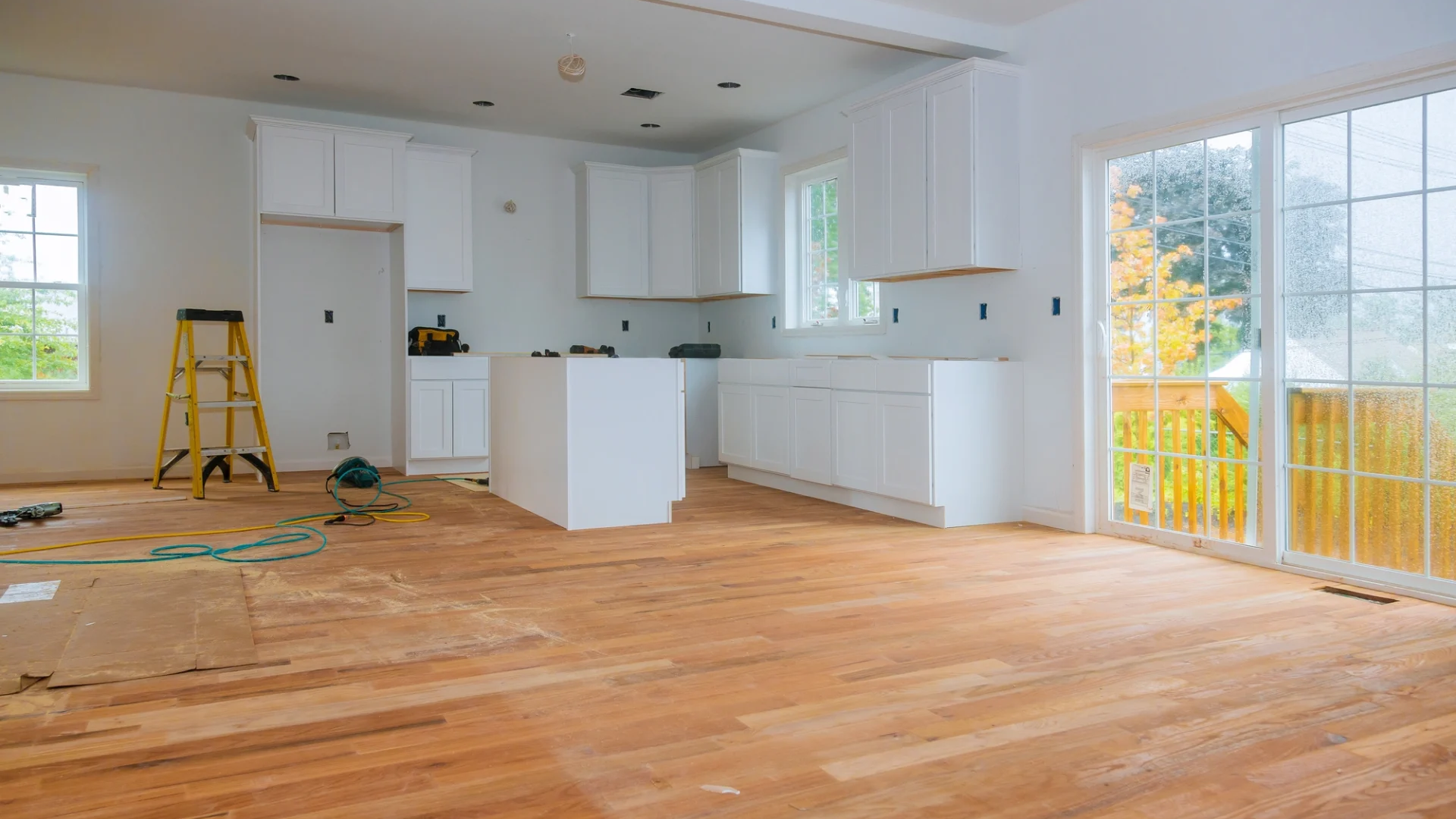
You start a project to make daily life better, more light in the kitchen, storage that actually fits, and a bathroom that doesn’t feel like 2009. But enthusiasm alone can’t protect your wallet. To keep control, you need to understand the remodeling mistakes that blow your budget and replace guesswork with a plan that’s honest about cost, time, and risk. The difference between a dream project and a draining one is knowing what to avoid before you begin. Let’s start there.  1) Underestimating The True Cost & Timeline Budgets rarely fail all at once; they fall apart bit by bit. You think you’ve covered everything, but hidden remodeling costs sneak in later: building permits, debris disposal, temporary housing, surprise wiring fixes, or a soft floor discovered after demolition. To stay safe, build a remodeling contingency fund of 10–20% right from the start. Write down possible “unknowns” for each trade, like framing, electrical, or plumbing, so you’re ready when surprises show up. Timelines work the same way, and remodeling project looks fast only in TV shows, but real projects stretch out with bad weather, slow deliveries, inspections, and busy subcontractors. To avoid these issues, always create two plans,  a “base” plan and a “backup” plan. If you expect it to take three months, prepare for five. You’ll stay calmer, make better choices, and keep your remodeling budget steady even when delays happen. 2) Starting Without A Detailed Scope And Drawings Most home renovation mistakes begin long before the first hammer swings. When the plan isn’t clear, quotes come back incomplete, and every small change later adds up fast. Start with a detailed plan that includes a floor layout, wall elevations, a list of finishes, fixtures, and materials like tiles, lights, and hardware. Match that plan with your budget, room by room, and ask for line-by-line estimates. This way, if something costs more than expected, you can adjust smartly instead of cutting corners under pressure. It also helps to make a decision calendar. Choose items that take longer to arrive, such as windows and cabinets, as early as possible. Approve drawings quickly and hold a short check-in meeting with your contractor each week. That steady communication keeps your plan moving instead of falling behind. 3) Hiring On Price, Not Proof Choosing the right remodeling contractor can make or break your project. A professional one is always licensed, insured, and transparent. Check their license and insurance, call a few references, and if possible, visit a project they’ve completed. When comparing quotes, make sure you’re looking at the same scope of work; that is the only way to compare fairly. Keep an eye out for warning signs: unclear pricing, missing permit details, high upfront deposits, or poor communication. A low bid might look attractive, but if the contractor can’t stay organized or responsive, the “savings” will vanish in delays and mistakes. The best value comes from the contractor who plans clearly, communicates often, and shows up on time because chaos costs, even when the bid doesn’t. 4) Skipping Permits, Inspections, And Structural Checks Permits and inspections in remodeling aren’t just about paperwork — they’re your proof of safety, quality, and long-term value. They protect you from fines, support your home’s resale, and keep insurance claims smooth. Skipping them might seem like a shortcut, but it can lead to penalties, stop-work orders, or even tearing out completed work later. Before making significant changes, schedule a structural inspection or consult a qualified professional to inspect key areas, including beams, load-bearing walls, joists, and foundation. Catching a weak header or water-damaged subfloor now costs far less than discovering it beneath new cabinets. Permits may take time, but they save far more in the long run. 5) Prioritizing Looks Over Long-term Function Designs that look beautiful online don’t always work well in real life. To avoid renovation budget mistakes, start by thinking about how you actually use the space where you cook, walk, store things, and plug in devices. Plan for good lighting layers: task lighting for work areas, ambient lighting for comfort, and accent lighting for style. Choose durable materials where daily activity happens, and layouts that match how your family moves through the room. This is also the best time to add energy-efficient upgrades better insulation, air sealing, LED lighting, and a right-sized HVAC system. Doing these improvements while the walls are open saves far more than trying to retrofit them later. A smart design doesn’t just look good — it works beautifully every day. 6) Not Planning For The Inevitable Surprises (And Daily Life) Even with perfect plans, surprises happen, like pipes showing up in the wrong place, a window that arrives cracked, or tile that doesn’t match the sample. Protect your remodeling budget by setting one clear rule: every change should come with a written cost, a timeline update, and your approval before any work moves forward. Also, prepare to live through the mess. If your kitchen is out of use, set up a small temporary one with a microwave and mini-fridge. Mark safe paths for kids and pets, seal off dusty areas, and agree on quiet hours with your crew. These small steps don’t just reduce stress — they help you stay focused and avoid rushed, expensive decisions. 7) “Savings” That Aren’t: Low-quality Or Mismatched Materials Cheap often means paying twice, so be smart about value engineering, for example, choose paint-grade finishes instead of stain-grade in less visible areas, but never cut corners on things that keep your home safe and dry. Invest in durability where it matters most: waterproofing, roofing underlayment, subfloors, valves, fasteners, and exterior flashings. Pick materials that suit your climate and lifestyle. Wet rooms need solid waterproofing; sunny sides of the house need UV-resistant finishes; and busy kitchens need counters that can handle heat, spills, and impact. When you match materials to real conditions, you save money, avoid repairs, and keep your remodel strong for years. Bonus: The Mindset That Keeps Projects On Budget Conclusion The fastest way

Kitchen Remodel

How Much Does It Cost to Remodel a Small Kitchen?

Remodeling a small kitchen is one of the most valuable home improvement projects you can take on. Costs typically range from $10,000 to $50,000, depending on the size of your kitchen, the quality of materials, and the scope of work. While modest updates can start around $7,000, full renovations with high-end finishes can exceed $65,000. Homeowners in Los Angeles can expect to recoup a significant portion of these costs, with return on investment (ROI) averaging between 55% and 70%. Why Remodel a Small Kitchen? Even the smallest kitchens are central to daily life. It’s where meals are prepared, family gathers, and guests often end up lingering. Unfortunately, outdated finishes, worn flooring, poor layouts, or a lack of storage make many small kitchens inefficient and uninspiring. Remodeling gives you the chance to improve both form and function. Many homeowners remodel to replace aging cabinets, upgrade appliances to energy-efficient models, or create a brighter, more welcoming space. Others are motivated by resale value. In competitive markets like Los Angeles, a modern small kitchen can set your property apart, making it easier to sell and often boosting the final price. Beyond the financial benefits, a remodel can change how you feel about your home, turning a cramped, frustrating kitchen into a space that feels fresh, organised, and enjoyable to use. Average Cost of a Small Kitchen Remodel The cost of remodeling a small kitchen depends on many factors, but national averages provide a useful starting point. According to industry data, the average remodel cost is around $26,966, but small kitchens usually cost less. Homeowners typically spend between $14,000 and $20,000 for moderate updates, while high-end renovations can climb beyond $65,000. On a per-square-foot basis, kitchen remodels generally range from $150 to $160 per square foot. Since most small kitchens measure about 70 square feet, the expected cost comes in between $10,500 and $11,200. The lower end might cover cosmetic improvements like paint and refinished cabinets, while the higher end may include new cabinets, countertops, appliances, and flooring. Key Factors That Influence Remodel Costs The cost of a remodel is shaped by more than just square footage. Several core factors determine how much you’ll spend and how long your project will take. 1. Size of the KitchenNaturally, the bigger the kitchen, the more it costs to remodel. A 75-square-foot space might run around $10,000–$15,000, while a 200-square-foot remodel can exceed $50,000. Even within “small kitchens,” size differences matter when it comes to flooring, cabinetry, and countertops. 2. Scope of WorkThe biggest cost driver is how much work is done. A minor remodel may focus on updating surfaces: refinishing cabinets, swapping hardware, repainting walls, and installing budget-friendly countertops. These projects can run $7,000–$20,000. A major remodel, even in a small kitchen, often requires moving plumbing and electrical, custom cabinets, structural changes, and high-end appliances, with costs starting at $50,000. 3. Materials and FinishesYour material choices can make or break the budget. Laminate countertops and vinyl floors are affordable, while quartz counters and hardwood flooring are more expensive. Imported tiles, designer lighting, and luxury appliances quickly add thousands. 4. Labor and LocationIn Los Angeles, labor is a significant cost, often making up 18%–25% of the total project, or about $1,900–$6,000 for a small kitchen remodel. Labor-intensive tasks like electrical and plumbing will push costs higher. 5. Permits and InspectionsPermits are required for any remodel involving structural changes, plumbing, or electrical work. Costs typically range from $500 to $1,500, depending on project complexity and local regulations. Detailed Breakdown of Remodeling Costs Every remodel involves several categories of spending. Here’s a closer look at typical costs for a small kitchen: Cabinets: Often the single biggest expense, making up nearly half the budget. Expect to spend $1,900–$9,400. Custom cabinets are more expensive, while painting or refacing existing cabinets is far cheaper. Appliances: Range from $350 to $8,000 each, depending on brand and features. A refrigerator, oven, and dishwasher can easily add $10,000 to the total. Energy-efficient appliances save on utility bills but cost more upfront. Countertops: Prices range between $1,050 and $7,000, or $15–$70 per square foot. Quartz and granite are durable but costlier; laminate and wood are more budget-friendly. Backsplash: Adds style and function, costing $600–$1,300. Ceramic and porcelain tiles are affordable, while glass or stone backsplashes cost more. Flooring: Typically $1,000–$1,250 for a small space. Vinyl is the most affordable, and hardwood and stone are at the high end. Plumbing, Sink, and Faucets: Installation adds $350–$2,000. A new sink ranges from $200–$650, faucets from $160–$360. Re-piping may cost more if you’re moving the layout. Lighting & Electrical: Basic upgrades cost $50–$500 per fixture, while specialty or high-tech lighting can reach $900. Adding outlets and switches adds $85–$300 each. Paint & Drywall: Painting cabinets runs $400–$1,400, wall paint is $140–$600, and drywall repair costs $105–$300. Demolition & Disposal: Removing old cabinets, flooring, and appliances costs $350–$1,500. Cleanup and disposal add $130–$370. DIY vs Professional Remodeling Some homeowners try to save money by handling demolition, painting, or even flooring installation themselves. DIY can reduce costs but also extend timelines and increase the risk of mistakes. Plumbing, electrical, and structural work should always be left to professionals. Hiring a licensed contractor ensures permits, inspections, and safety codes are met. Professional remodelers also bring project management skills, coordinating trades and scheduling to minimise delays. At Arthur’s Flooring and Remodeling, we provide full-service kitchen remodels in Los Angeles, helping homeowners balance budget and quality without costly mistakes. Return on Investment (ROI) A small kitchen remodel often provides one of the best returns of any home improvement project. Minor remodels can recoup about 77.6% of their cost, while major projects average 53.5% ROI. Industry reports show overall returns in the 55%–70% range, depending on market and project scope. Upgrades with the highest ROI include: By focusing on improvements that increase both function and appeal, homeowners can enjoy their new kitchen now and profit later when selling. How to Save on a Small Kitchen Remodel Remodeling doesn’t have to break the bank. Homeowners

Bathroom Remodeling
Bathroom Remodel

How Long Does It Take to Remodel a Bathroom?

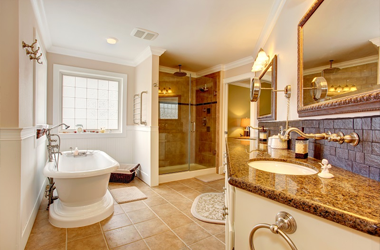
Bathrooms are among the busiest and most functional rooms in any home. Next to the kitchen, they see constant use and require the most plumbing, fixtures, and finishes. Because of this, they’re also one of the most common spaces homeowners in Los Angeles remodel. But one question always comes first: how long does a bathroom remodel take? The honest answer is: it depends. The bathroom remodel timeline can be as short as 3–4 weeks for a small bathroom remodel or stretch to 8–10 weeks or longer for a full bathroom remodel. The schedule varies based on the scope of work, permits and inspections, contractor focus, custom finishes, and whether you hire a professional or DIY. This guide walks through every step of the bathroom remodeling process, from the pre-construction phase bathroom remodel to the final finishes, so you know what to expect. Pre-Construction Phases: Where Time Really Adds Up While most homeowners think only of construction, the bathroom renovation schedule starts much earlier. Pre-construction is often the longest phase. Bathroom Design and Budget Phase: This includes layout changes, architectural drawings, fixture selection, and budgeting. Having complete bathroom remodel phases mapped out makes timelines accurate. Bathroom Estimation and Bidding: Contractors prepare bids with fixed pricing. This phase locks in the bathroom remodel cost and timeline. Bathroom Permits and Inspections: Los Angeles homeowners often need plumbing and electrical permits. A bathroom remodel permit timeline can add 2–6 weeks. Inspections, though quick, may delay work if scheduling is tight. Scheduling & Materials: Ordering materials is crucial. Imported tile lead times, special-order vanities, or accessibility bathroom remodel fixtures can delay projects by weeks. Choosing available alternatives speeds things up. A realistic bathroom remodel project management plan accounts for pre-construction delays before demolition even begins. Standard Bathroom Remodel Timeline Once work starts, the bathroom remodel construction timeline follows a predictable path. A pull-and-replace bathroom remodel (keeping layout, updating finishes) might take 4–5 weeks, while a custom bathroom remodel timeline with structural changes may take 8–10 weeks or longer. Week 1: Demolition & Rough-In Bathroom demolition timeline: 1–2 days, depending on size and complexity. Homes with mold, asbestos, or water damage add time. Rough-in plumbing and electrical bathroom: 1–4 days. Includes supply lines, drainage, new outlets, lighting, and fans. Inspections: 1–2 days. Scheduling may cause inspection delays, slowing the bathroom demo to the completion phase. Week 2: Subfloor, Drywall, Waterproofing Subfloor prep time: 1–2 days for levelling and moisture barriers. Drywall install and paint: 2–3 days. Walls are sealed, painted, and repaired. Shower pan installation inspection: 1 day. Water-filled tests ensure no leaks before tiling. Week 3: Tiling & Floors Bathroom tiling installation timeline: 5–7 days. Includes backerboard, mortar, tile laying, grouting, and sealing. Flooring installation time: 1–2 days. Vinyl installs faster; porcelain or stone tiles take longer. Floor-to-ceiling shower tile time: 7–10 days, especially with mosaics or roll-in shower designs. Week 4–5: Fixtures & Final Finishes Fixture installation bathroom: 2 days (toilets, faucets, lighting, mirrors, tub). Bathroom vanity installation: 1 day, usually after flooring. Final finishes bathroom remodel: 1–2 days for painting, carpentry, and punch list corrections. Altogether, the standard bathroom remodel duration averages 5–7 weeks, though larger or luxury remodels may extend into 9–10 weeks. Factors That Extend the Bathroom Renovation Timeline Several conditions influence how long a remodel takes: Current Bathroom Condition: Older bathrooms may hide mold, leaks, or damaged framing, extending the bathroom renovation phases. Scope of Work: A small bathroom remodel timeline (4 weeks) vs a full bathroom remodel timeline (8+ weeks). Permits: The bathroom remodel inspection process may stall work until approved. Materials: Special-order vanities, imported tile, or custom finishes cause bathroom renovation delays. Contractor Juggling Multiple Projects: Slows progress compared to a dedicated crew. DIY vs Professional Bathroom Remodel: DIY remodels may take months, while hiring pros keeps the bathroom remodel schedule on track. Can a Bathroom Remodel Be Done in One Week? Homeowners often ask, “Is a one-day bathroom remodel real?” The truth: it’s only possible for cosmetic updates like replacing a toilet or installing prefabricated shower inserts. A full bathroom remodeling process with plumbing, tiling, drywall, and inspections cannot realistically be done in a week. Bathroom Remodel Budgeting and Costs Costs vary but directly influence timelines. Moderate bathroom remodel cost: $12k–$20k High-end remodel cost: $30k+ with custom finishes The moderate vs high-end bathroom remodel cost depends on design scope, plumbing/electrical updates, and whether you need custom bathroom finishes and timelines. The good news: bathroom remodels have one of the highest ROIs. A well-executed remodel can recoup 50% or more of costs in resale value. Managing Your Bathroom Remodel Timeline In Los Angeles, time is money. That’s why professional bathroom remodel scheduling services are essential. At Arthur’s Flooring and Remodeling, we provide dedicated project management to minimise inspection scheduling delays, material holdups, and contractor conflicts. Our team focuses on efficiency while keeping quality high, ensuring your bathroom remodel project management runs smoothly. When timelines are clear, homeowners experience less stress and fewer surprises. FAQs Planning for a Smooth Bathroom Renovation So, how long does a bathroom remodel take? Most remodels in Los Angeles take 3–8 weeks once construction begins. A small bathroom remodel timeline can be as short as 4 weeks, while a full bathroom remodel duration with layout changes may run 8–10 weeks. The bathroom renovation schedule depends on permits, inspections, scope, and materials. While DIY vs professional bathroom remodels show different time frames, professionals finish faster and more safely. With proper planning and a clear bathroom remodel construction timeline, homeowners enjoy both a new space and lasting home value. For accurate scheduling and quality results, trust Arthur’s Flooring and Remodeling.

Scroll to Top